
The History of Asphalt Roadways in the United States
The development of asphalt roadways in the United States is a story of innovation, adaptation, and progress. From early experiments with paving materials to the expansive highway systems that define modern travel, asphalt has played a crucial role in shaping infrastructure and mobility. Over time, advancements in engineering, materials, and construction methods have transformed roads into durable, efficient, and widely accessible pathways. The evolution of this essential material reflects not only technological growth but also the increasing demand for reliable transportation across the nation. Today, the work of asphalt contractors continues to build on this legacy, maintaining and improving the roads that connect communities.
Early Road Construction Methods
Before asphalt became a dominant paving material, early road construction relied on natural surfaces such as dirt, gravel, and stone. These roads were often uneven and difficult to maintain, especially during harsh weather conditions. Mud, dust, and erosion made travel unpredictable and, at times, dangerous. Communities depended on local materials and manual labor to construct pathways, which limited consistency and durability.
As transportation needs grew, so did the desire for better road surfaces. Early innovations included layered stone roads designed to improve stability and drainage. While these methods marked progress, they still required frequent maintenance and were not suitable for the increasing volume of traffic. The limitations of these early approaches created a demand for a more resilient and adaptable paving solution.
Introduction of Asphalt in America
The introduction of asphalt in the United States marked a turning point in road construction. This material, known for its binding properties and flexibility, offered a smoother and more durable alternative to traditional surfaces. According to Asphalt Magazine, historians credit Belgian chemist E.J. DeSmedt for laying the first rock asphalt roadway in the U.S. In 1870, he constructed a small experimental strip with European asphalt opposite the City Hall in Newark, New Jersey.
This early demonstration showcased the potential of asphalt as a paving material. Its ability to withstand wear while providing a smoother ride quickly gained attention. Engineers and city planners began to explore its applications, recognizing its value in improving urban infrastructure. The work of early asphalt contractors helped introduce this innovative material to a wider audience, setting the stage for broader adoption.
Expansion During Urban Growth
As cities expanded and populations increased, the demand for reliable roadways grew significantly. Urban areas require surfaces that can handle higher traffic volumes while maintaining safety and efficiency. Asphalt proved to be an ideal solution due to its durability and relatively low maintenance requirements. Its smooth and consistent surface also improved overall travel experience, reducing wear on vehicles and enhancing mobility within growing cities.
Municipalities began investing in asphalt paving projects to modernize their streets. The smoother surface reduced noise and improved travel conditions for both pedestrians and vehicles. Over time, asphalt became a preferred choice for city streets, supporting the rapid growth of urban environments.
This period also saw the rise of professional paving services. Asphalt contractors played a vital role in implementing new techniques and ensuring consistent quality. Their expertise helped standardize construction practices, making asphalt roadways more accessible across different regions.
Influence of the Automobile Era
The emergence of automobiles brought about a dramatic shift in transportation needs. Roads that were once sufficient for horse-drawn vehicles were no longer adequate for motorized travel. Increased speed and traffic required stronger, smoother, and more reliable surfaces.
Asphalt became the material of choice for meeting these new demands. Its flexibility allowed it to adapt to temperature changes and heavy use, reducing the likelihood of cracking and damage. The growing popularity of automobiles accelerated the expansion of asphalt roadways across the country.
Government initiatives and infrastructure programs further supported this growth. Investment in road construction helped connect cities, towns, and rural areas, fostering economic development and mobility. During this time, asphalt contractors were instrumental in building and maintaining the expanding network of roads, ensuring that they met evolving standards.
Technological Advancements in Paving
Over time, advancements in technology have significantly improved the performance and longevity of asphalt roadways. Innovations in material composition, mixing techniques, and equipment allowed for more efficient construction and better results. These developments enhanced the durability of asphalt, making it suitable for a wide range of applications.
Recycling also became an important aspect of asphalt paving. The ability to reuse existing materials not only reduced waste but also lowered costs and environmental impact. This sustainable approach further increased the appeal of asphalt as a paving solution. It also supports long-term resource conservation by minimizing the need for new raw materials in future paving projects.
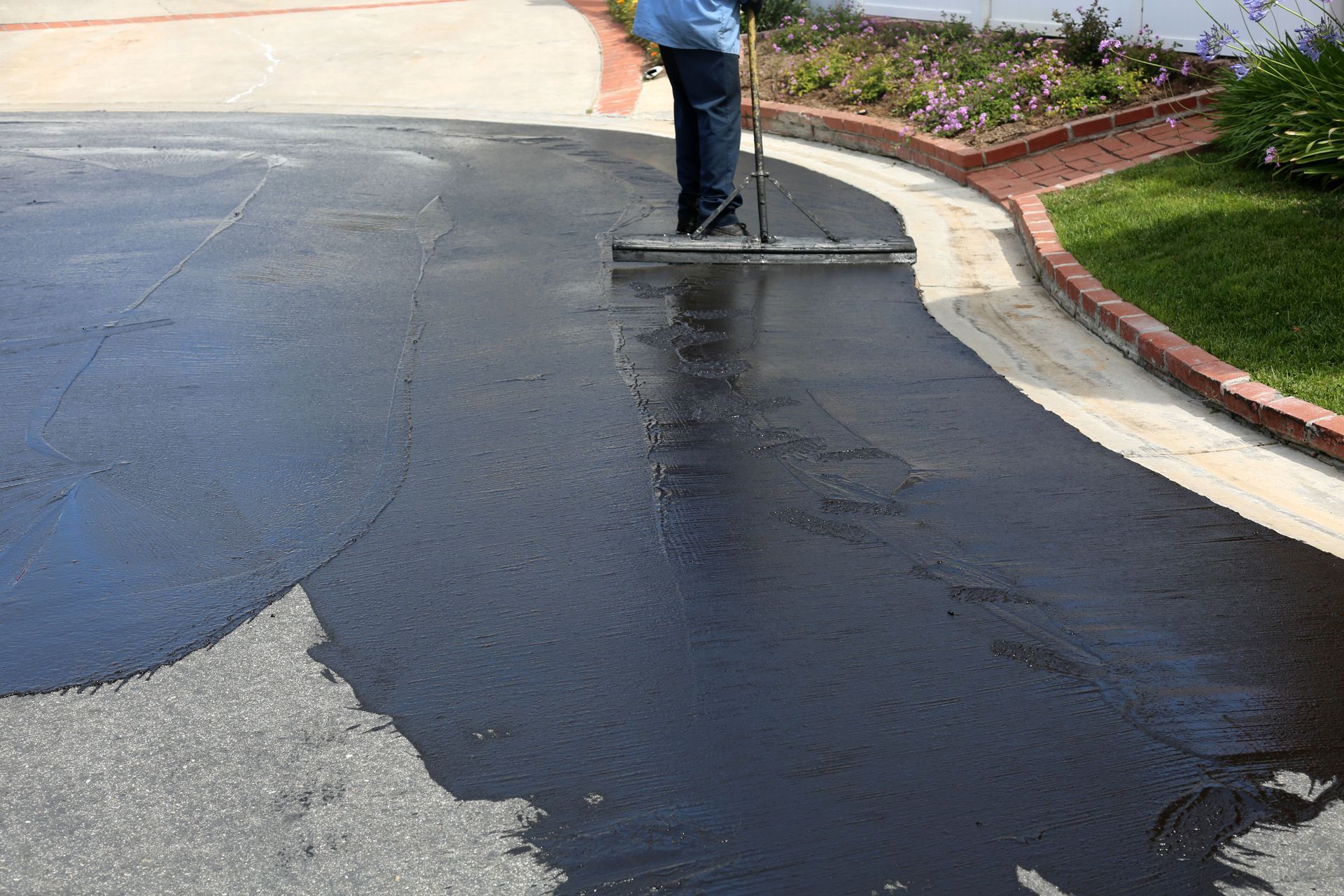
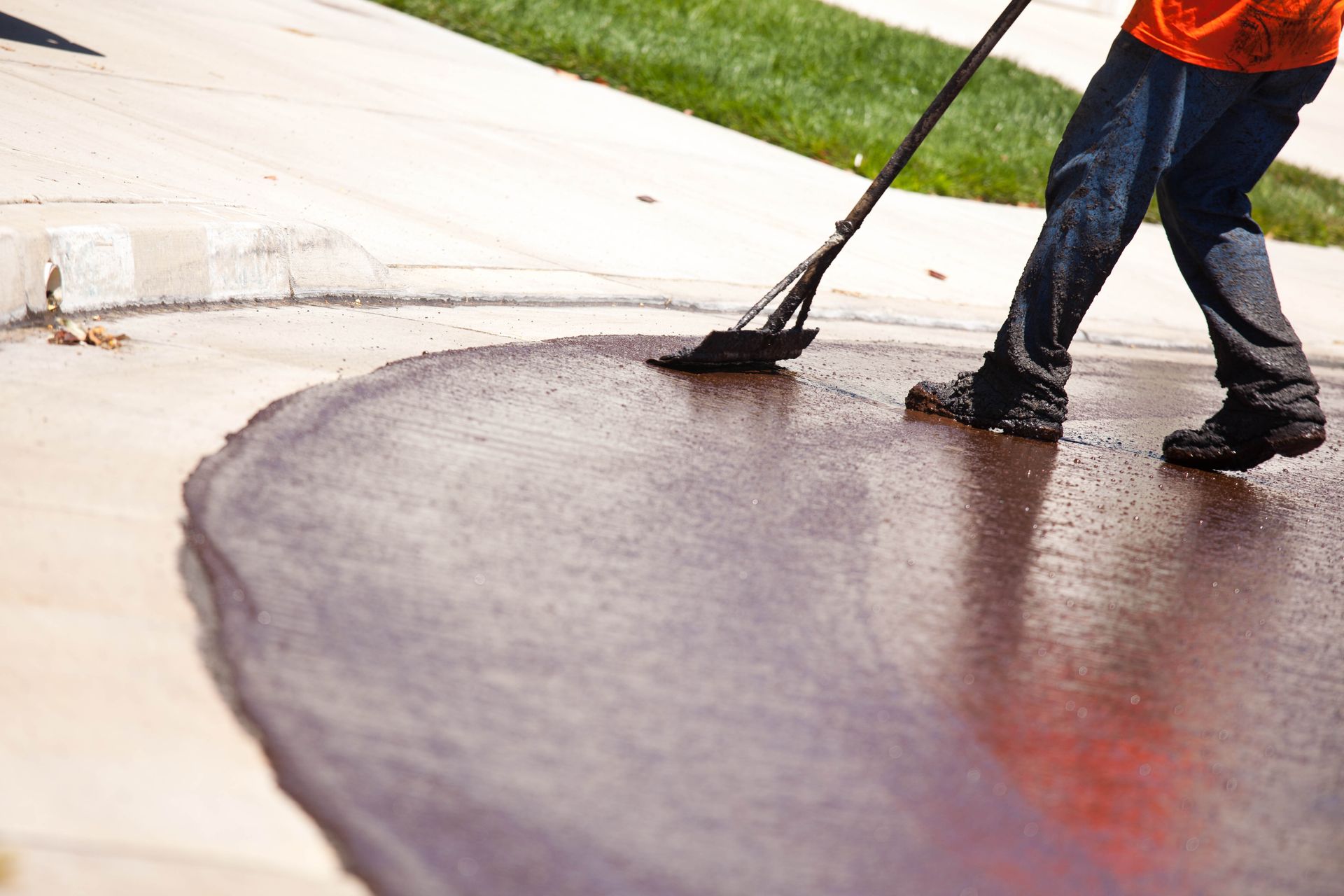
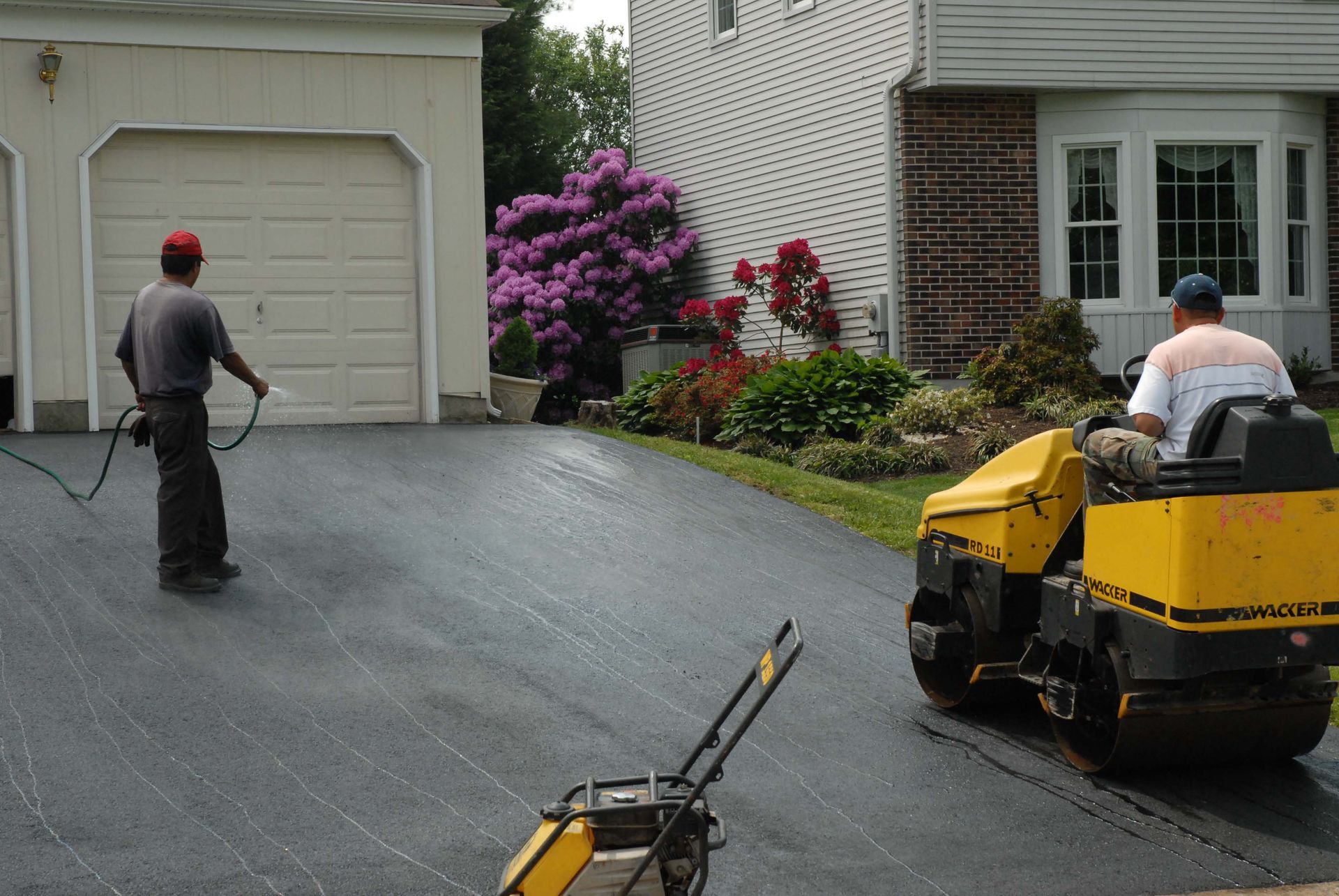
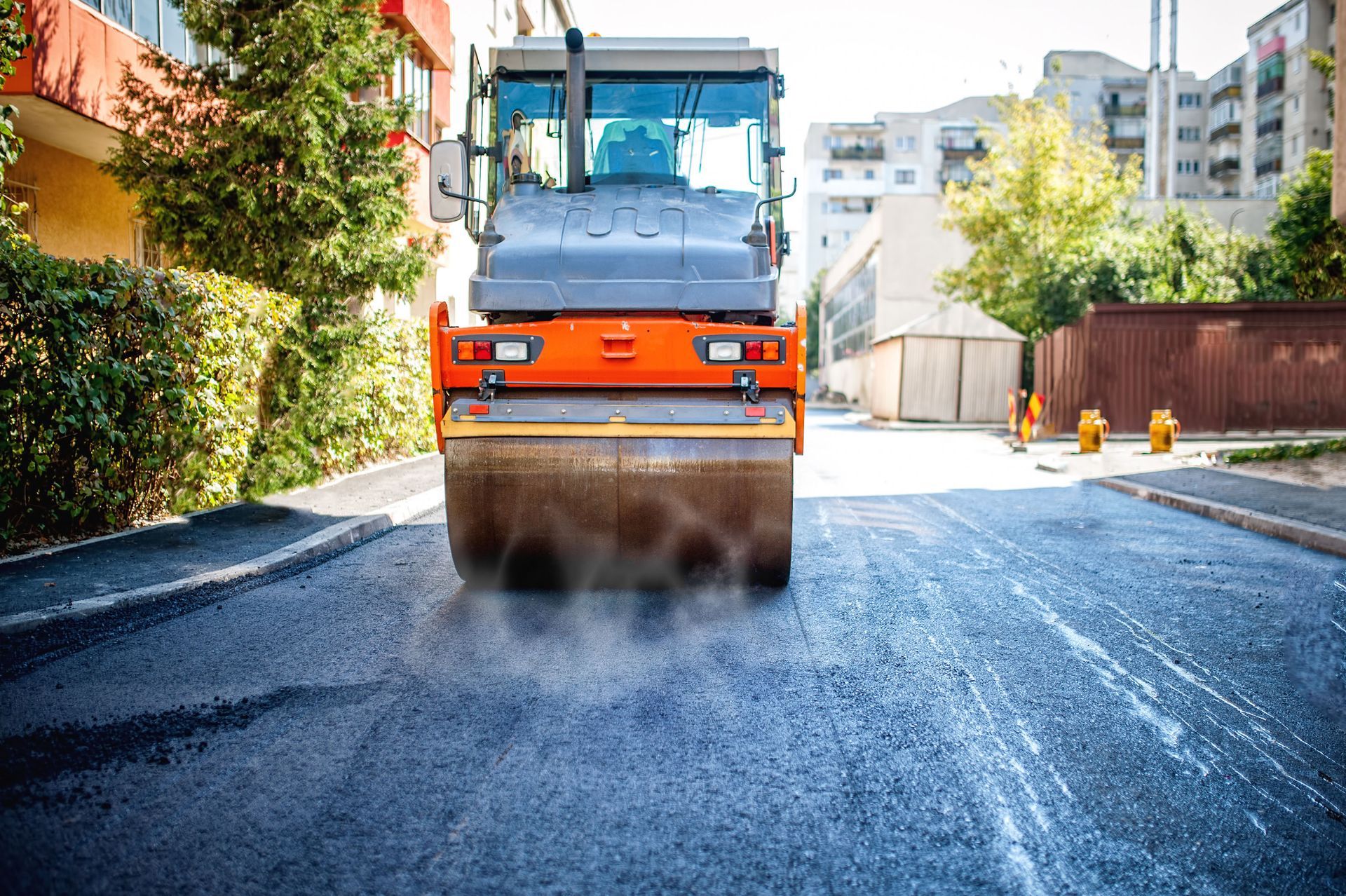
Modern paving techniques have continued to evolve, incorporating precision and efficiency into every stage of construction. Asphalt contractors now utilize advanced machinery and methods to achieve consistent quality and long-lasting results. These improvements have helped maintain asphalt’s position as a leading material in roadway development.
Modern Asphalt Roadway Systems
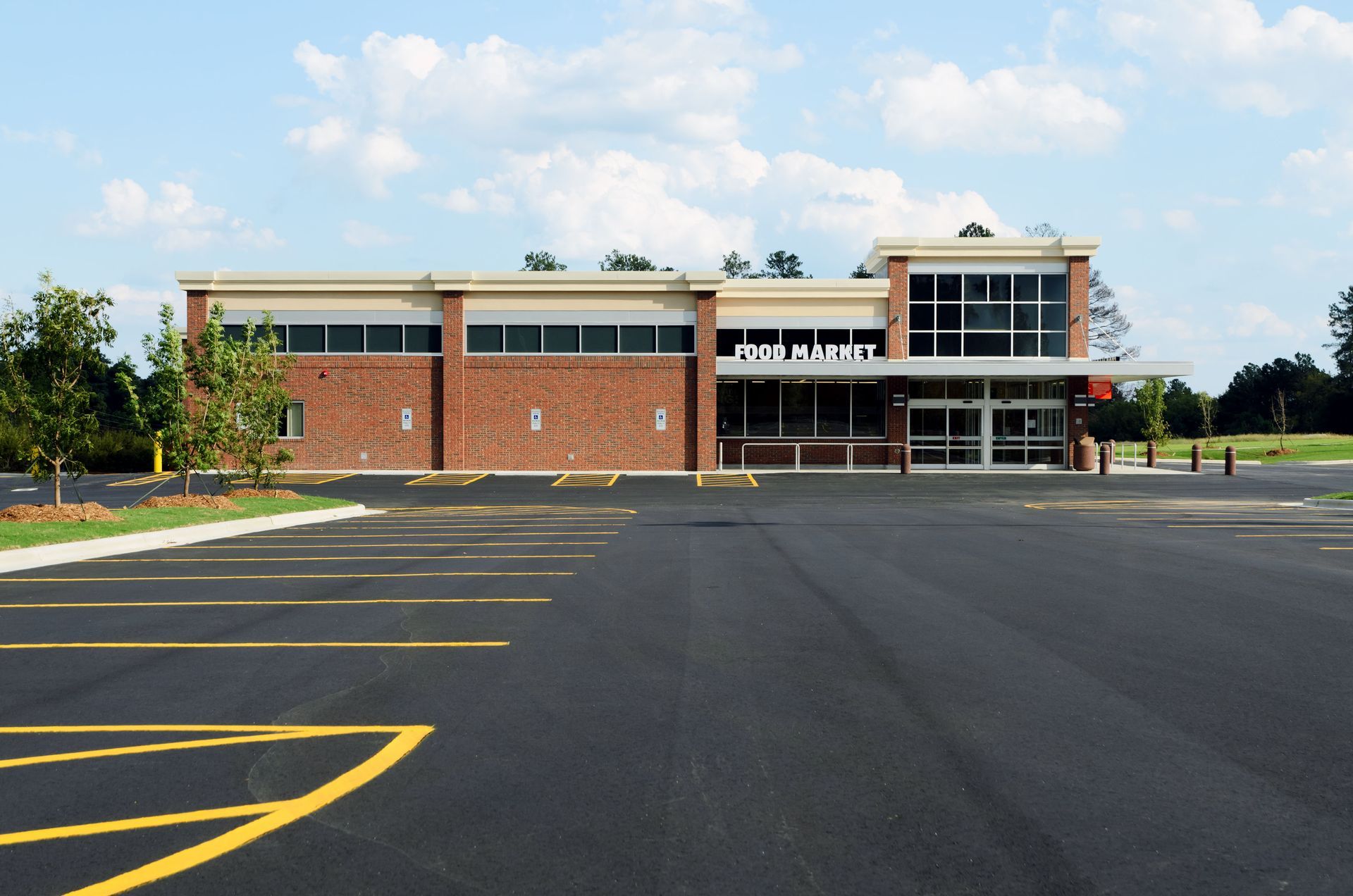
Today, asphalt roadways are an integral part of the nation’s infrastructure. They support daily commutes, commercial transportation, and long-distance travel. The versatility of asphalt allows it to be used in a variety of settings, from residential streets to major highways.
Modern systems are designed with durability, safety, and sustainability in mind. Improved drainage, better load distribution, and enhanced surface treatments contribute to longer-lasting roads. Maintenance practices have also become more proactive, helping to address issues before they become significant problems.
The role of asphalt contractors remains essential in this process. Their expertise ensures that roads are constructed and maintained to meet current standards. By combining traditional knowledge with modern technology, they continue to enhance the quality and reliability of asphalt roadways across the United States.
Future Trends in Asphalt Development
Looking ahead, the future of asphalt roadways is shaped by innovation and sustainability. Research and development efforts are focused on creating materials that are more durable, environmentally friendly, and cost-effective. New technologies aim to improve performance while reducing the environmental footprint of road construction.
Smart infrastructure is also becoming a key area of interest. Integrating technology into roadways can enhance safety, monitor conditions, and improve traffic management. Asphalt is well-suited to support these advancements due to its adaptability and compatibility with modern systems.
Sustainability remains a central focus in the evolution of asphalt. Efforts to reduce emissions, increase recycling, and optimize resource use are driving change within the industry. Asphalt contractors are at the forefront of these developments, implementing practices that align with environmental goals while maintaining high standards of quality.
The history of asphalt roadways in the United States reflects a journey of continuous improvement and innovation. From early experiments to modern infrastructure, asphalt has proven to be a reliable and versatile material. Its ability to adapt to changing needs has made it a cornerstone of transportation development.
As technology advances and sustainability becomes increasingly important, asphalt will continue to evolve. The contributions of asphalt contractors remain vital in shaping the future of roadways, ensuring that they meet the demands of a growing and dynamic society. By building on a strong foundation of knowledge and experience, the industry is well-positioned to support the next generation of infrastructure.
At Mid River Asphalt, Inc., we take pride in continuing this legacy by delivering high-quality paving solutions that stand the test of time. Our team is committed to building and maintaining roadways that support safe and efficient travel for our communities.



Share On: