4 Signs It's Time To Repave Your Parking Lot
In this article, we will explore the various signs that indicate it's time to repave your parking lot. A well-maintained parking lot not only enhances the curb appeal of your property but also ensures safety and accessibility for all users. Regular assessment and timely maintenance can prevent costly repairs in the future, which is why many property owners consult experienced asphalt companies for professional evaluations. By understanding these signs, property owners can make informed decisions about necessary upkeep. Let's delve into the critical indicators that suggest repaving your parking lot is necessary.
1. Seeing Cracks and Potholes
Among the most common signs that your parking lot may require repaving are seeing cracks and potholes. While all asphalt surfaces are prone to cracking over time, the severity and frequency of these cracks can dictate the need for repaving. The types of cracks, including alligator, longitudinal, and transverse cracks, often arise from varying causes such as poor initial installation, heavy vehicle traffic, and environmental factors—issues that reputable asphalt companies are trained to diagnose. Identifying the specific type of crack can help determine the underlying issues affecting the pavement. For instance, alligator cracks are typically indicative of foundational problems.
The severity of the damage is a critical factor in deciding whether you need repairs or a complete repaving. Minor cracks might be manageable with sealants, whereas extensive potholes pose significant safety risks and often necessitate a more comprehensive approach. Moreover, significant deterioration can adversely affect the vehicles using your parking lot, leading to potential damage and increased liability on your part. This situation calls for a cost-benefit analysis to decide whether consistent repairs or a full repaving offer the best long-term solution. Consulting asphalt companies can provide clarity on whether repairs or replacement will be more cost-effective. It is crucial to weigh the costs of repairs against the potential benefits of an entirely new surface.
Another detrimental impact of cracks and potholes is on pedestrians, who might trip and injure themselves, leading to possible legal issues for the property owner. An extensive and proactive maintenance plan can help address these safety concerns. Immediate solutions, like patching, offer temporary relief but often do not address the root problem, thus leading to recurring costs. According to the University of Idaho, most parking lot asphalt requires replacing within 25 years, emphasizing the eventual need for repaving. Partnering with reliable asphalt companies for regular inspections can ultimately save time and resources by addressing smaller problems before they grow into major issues requiring repaving.
2. Having Drainage Problems
Poor drainage systems can be a silent yet significant indicator that it's time to consider repaving your parking lot. Rainwater pooling is a direct sign of drainage issues, often leading to accelerated asphalt deterioration. Standing water degrades the asphalt surface over time, resulting in more profound structural issues beneath. Water accumulation can also lead to safety issues, such as hydroplaning or ice formation during colder months. Many asphalt companies stress the importance of correcting drainage problems early to preserve the integrity and safety of a parking lot.
There are a few consequences of neglecting drainage issues, such as extensive water damage. Water not only erodes the asphalt but also seeps into the base layers, undermining the entire structure. Compromised base layers can cause the surface to warp and weaken over time, necessitating costly repairs or a comprehensive repave. Furthermore, improper drainage can exacerbate pothole formation and cracking, making the parking lot difficult to use. By addressing drainage issues early, property owners can prevent these detrimental effects and extend the lifespan of their parking lot.
To solve drainage problems, property owners should evaluate their system regularly and implement improvements when necessary. This might include regrading the surface, installing additional drainage outlets, or repairing any existing damage to the system. Addressing these issues promptly can extend the lifespan of the asphalt, postponing the need for repaving. However, in severe cases where poor drainage has extensively damaged the asphalt, professional asphalt companies may recommend a full repaving to restore structural stability. Evaluating your drainage systems is crucial for long-term maintenance and can greatly avert potential repaving needs.
3. Fading and Discoloration
Viewing the fading and discoloring of your parking lot's asphalt surface is a visible sign that it may be time to repave. This occurs primarily due to oxidation, which weakens the asphalt's molecular structure over time. When asphalt fades from a deep black to a dull gray, it signals its exposure to sunlight and other elements. The loss of its rich color is not just an aesthetic issue; it reflects a deterioration in the material's integrity, which can lead to other structural problems over time. Regular updates through sealcoating can help delay this process, but eventually, repaving may become necessary.
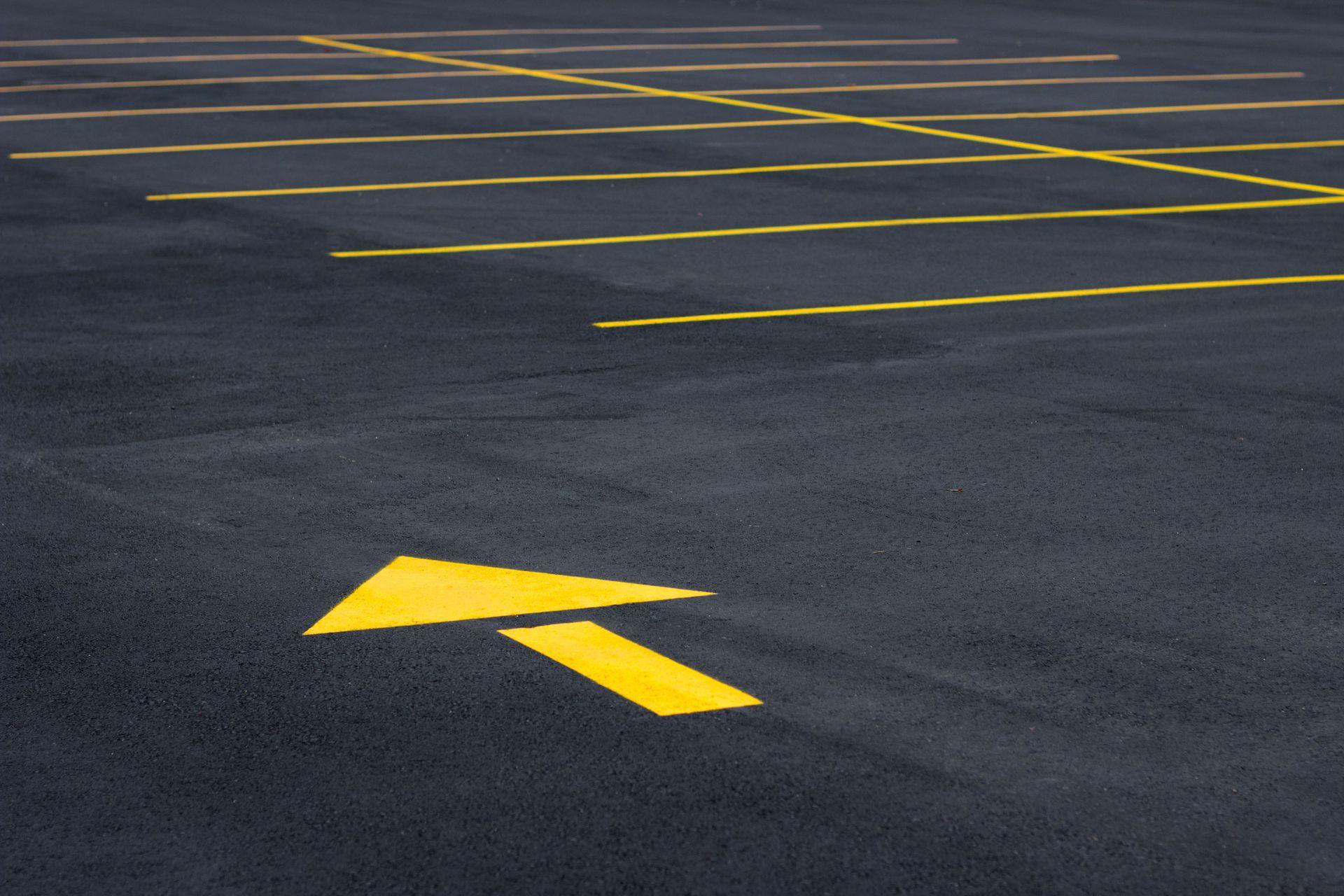
Discoloration can drastically affect the curb appeal of your entire property. A discolored parking lot might give off the impression of neglect, potentially deterring visitors or customers. Just as a lush landscape or clean building exterior attracts clientele, the condition of a parking lot significantly influences first impressions. Repainting lines and symbol markings can provide a temporary aesthetic fix, but it's only a surface-level solution. If UV damage is extensive, asphalt companies often advise that repairs alone won't suffice, and repaving becomes a better option to fully restore the lot's condition.
Ultraviolet (UV) rays play a considerable role in the deterioration of asphalt. Continued exposure breaks down the binder that holds the asphalt together, leaving it brittle and prone to cracking. Sealcoating can provide a layer of protection against UV damage, delaying the need for repaving. However, when the asphalt weakens significantly, sealcoating becomes less effective. At this point, it is critical to consider more comprehensive measures like repaving to ensure the longevity and safety of your parking area.
4. Warping and Unevenness
Surface warping and unevenness are major indicators that repaving is necessary. Deformations in the pavement surface are often caused by heavy traffic loads or improper asphalt layering during installation. These issues can create uneven surfaces, which may be dangerous for both vehicles and pedestrians. When asphalt warps under the pressure of vehicles, it indicates that the subsurface layers are compromised. Laying a new foundation followed by repaving becomes necessary to restore structural integrity and ensure a smooth, safe surface.
Uneven surfaces can significantly affect vehicle performance, potentially damaging tires and suspension systems. The bumps and dips in the parking lot surface can also pose safety hazards, particularly to pedestrians who may trip on irregular pavements. Safety, therefore, becomes a critical concern, and addressing these problems can reduce liability issues. Techniques such as milling and overlaying can temporarily rectify surface unevenness, yet severe warping often requires a more permanent solution like repaving. Experienced asphalt companies can assess whether corrective measures or complete reconstruction is the most appropriate course of action. Regular inspections and maintenance can help detect such issues early, potentially avoiding more extensive repairs.
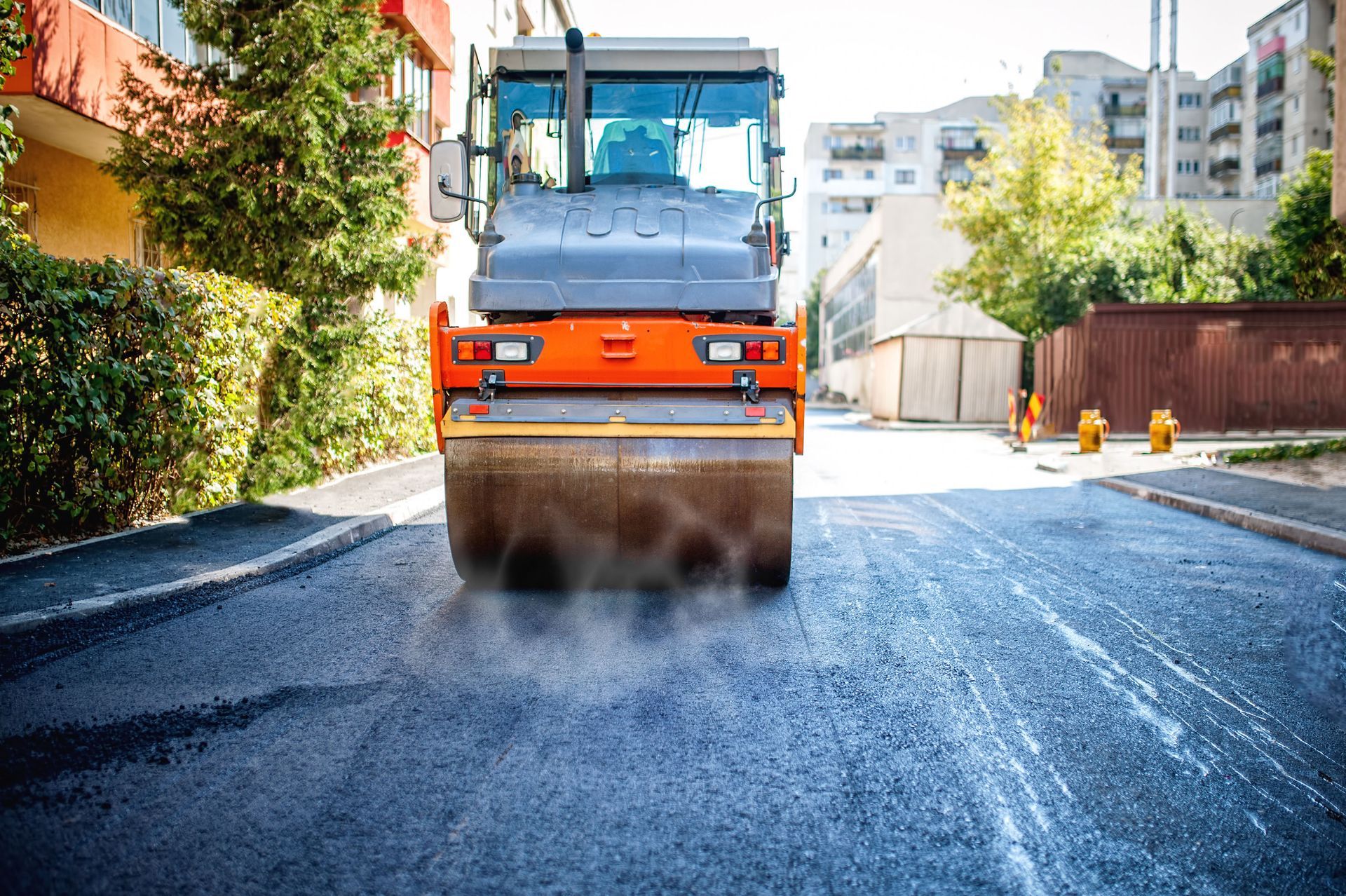
Preventative measures during installation and regular maintenance are vital in avoiding surface warping. Ensuring proper compaction during installation and maintaining protective sealants can greatly extend the life of the pavement. Once significant warping occurs, however, these measures might not suffice, and repaving becomes necessary. By evaluating the causes of deformation, like drainage issues or poor design, property owners can prevent recurrence of such problems in the future. Understanding and addressing the root causes during repaving ensures a lasting solution to surface irregularities.
Recognizing the signs that indicate a need for repaving your parking lot can save you from future expenses and liability issues. Regular maintenance and timely repaving not only enhance the appearance of your property but also ensure user safety and compliance with legal standards. Reviewing these indicators can prevent minor problems from escalating into costly emergencies. Investing in repaving today could mean fewer headaches tomorrow, providing peace of mind and a safe, welcoming environment for all. If you are looking for an experienced paving company near the Wentzville, MO area, contact Mid River Asphalt, Inc today.
Share On: